
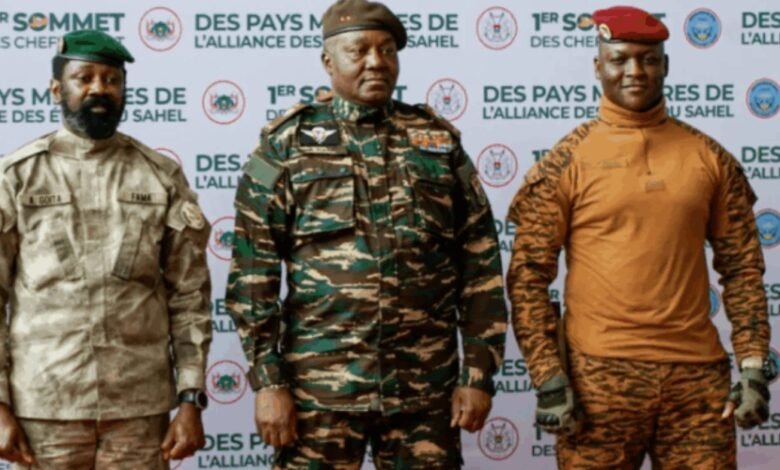
In a coordinated display of defiance against international institutions, the military-led governments of Burkina Faso, Mali, and Niger have announced their immediate withdrawal from the International Criminal Court.
In a joint statement released by the Confederation of Sahel States, the three nations characterized the Hague-based tribunal as an “instrument of neo-colonialist repression” that has failed to impartially prosecute global atrocities.
The leaders argued that the court disproportionately targets African nations while ignoring crimes committed by more powerful global actors, echoing long-standing criticisms regarding a perceived anti-African bias within the institution.
The decision to sever ties with the UN-backed court follows the juntas’ increasing isolation from Western powers and their growing strategic alignment with Russia. All three countries have previously expelled French forces and recently withdrew from the regional bloc ECOWAS after rejecting demands to restore democratic governance.
By exiting the ICC, the Sahelian leaders aim to establish what they call “indigenous mechanisms” for justice, effectively shielding their own military forces from international scrutiny. This move is particularly significant given that their armies have faced mounting allegations of human rights abuses during intensified operations against jihadist groups linked to al-Qaeda and the Islamic State.
Under the Rome Statute, an official withdrawal from the ICC typically takes one year to become effective after formal notification is provided to the United Nations. However, the move serves as a clear signal of the region’s shifting geopolitical landscape, especially as the ICC holds an active arrest warrant for Russian President Vladimir Putin, a key ally of the three regimes.
As the Sahel continues to pull away from international legal and economic frameworks, the withdrawal raises critical questions about future accountability for civilian casualties and the long-term stability of justice systems in West Africa.